We’re With You, Shawna

For 2024-2025, one focus area is eliminating the stigma that prevents men from seeking help; to change the myth that men should just “man up” through mental health concerns. Did you know that when you invest in MHA, you could help someone realize that asking for help shows courage not weakness?
Read more Men’s Mental Health facts and how MHA helps and DONATE NOW!
MHA Storyteller volunteer Shawna Fraser says, “My son Jay was intelligent, funny, had the biggest smile and was a great debater with witty comebacks, deep questions and rebuttals. He had one of the brightest minds, but we didn’t know that his bright mind was under attack. He had quite a temper and small things might set him off. In his teens, we learned that he was abusing substances. We were concerned but blamed ‘teen misbehavior,’ never considering there could be more lurking under the surface.”
Shawna reflects, “In looking back, I can see now Jay was coping and was functional. After graduating from high school, he was working, he got an apartment with his long-term girlfriend, they had two sons and things seemed ‘pseudo normal.’ Small things would crop up but we still didn’t identify it as mental illness. It wasn’t until he was in his mid-20’s that we learned there was far more going on than we ever realized. The paranoia, cycle of ups and downs, and even more substance abuse landed Jay in a mental hospital where he was officially diagnosed, and placed on medication. It seemed like we had our Jay back for a while. But he didn’t like the way the medication made him feel, so he stopped taking it. Jay never really accepted that he had a mental illness; that denial was part of the illness.”
Jay eventually became homeless and Shawna’s family didn’t hear from him for long periods of time. One day during church, Shawna got the most difficult call imaginable. Her 24-year old daughter Jessica had to tell her that the police found Jay and determined that he had died by suicide. Shawna says, “Our world had already been turned upside down by this illness and I felt like it won. After we lost Jay, I engaged with grief groups and individual counseling. I wish I’d known about MHA when on our journey with Jay. But after attending workshops with MHA, including QPR Suicide Prevention training, I became determined to turn from helplessness, powerlessness and hopelessness to hope, advocacy and mental wellness.”
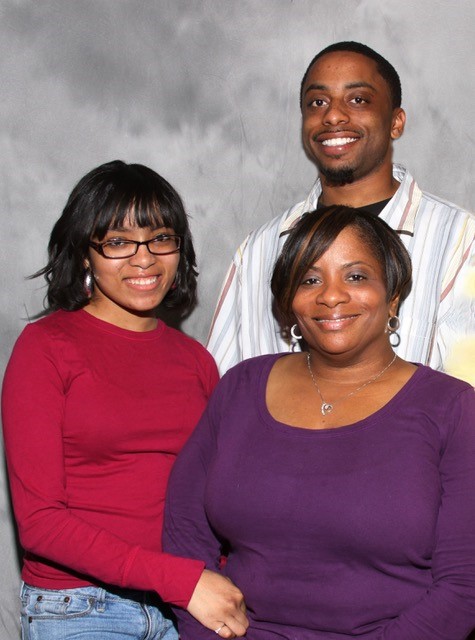
Shawna lives in Charlotte with her husband Owen. Pictured with their daughter Jessica and son Jay.
Shawna is now eliminating stigma as an MHA Storyteller but reflects: We didn’t know what to look for (when my son was struggling) and I’m not sure how much we would have even talked about it due to stigma, especially in the African American community. We were raised under the mantra of ‘what happens in this house, stays in this house.’
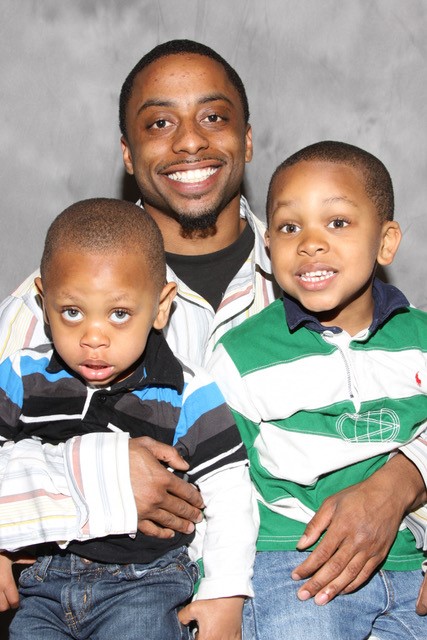
Jay left behind two young sons in August 2019 and left his family forever changed.
Read more Men’s Mental Health facts and how MHA helps and DONATE NOW!